
Museum’s Choice “Voyaging Across Oceans: Lacquerware-The World of Namban Lacquerware-”

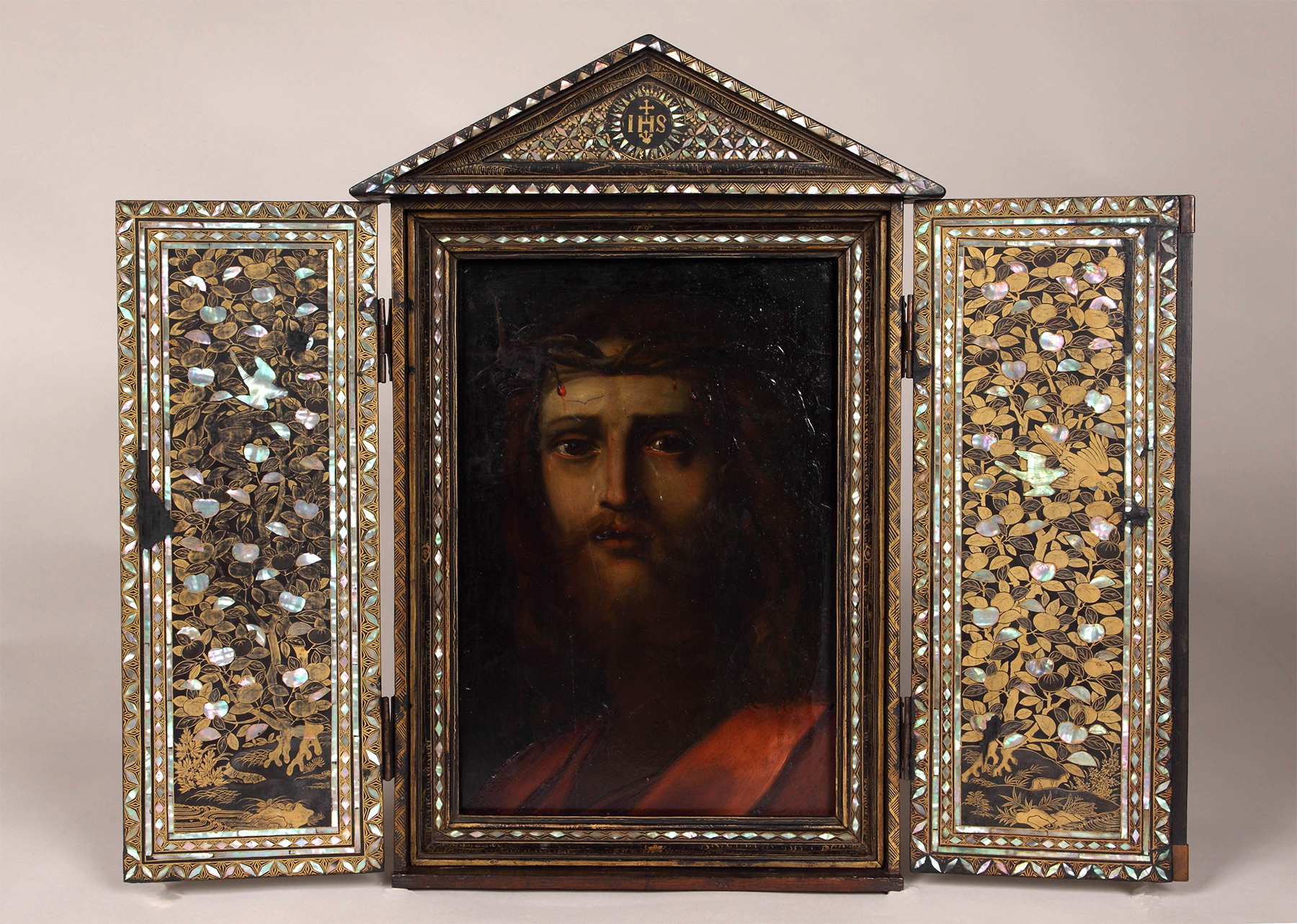
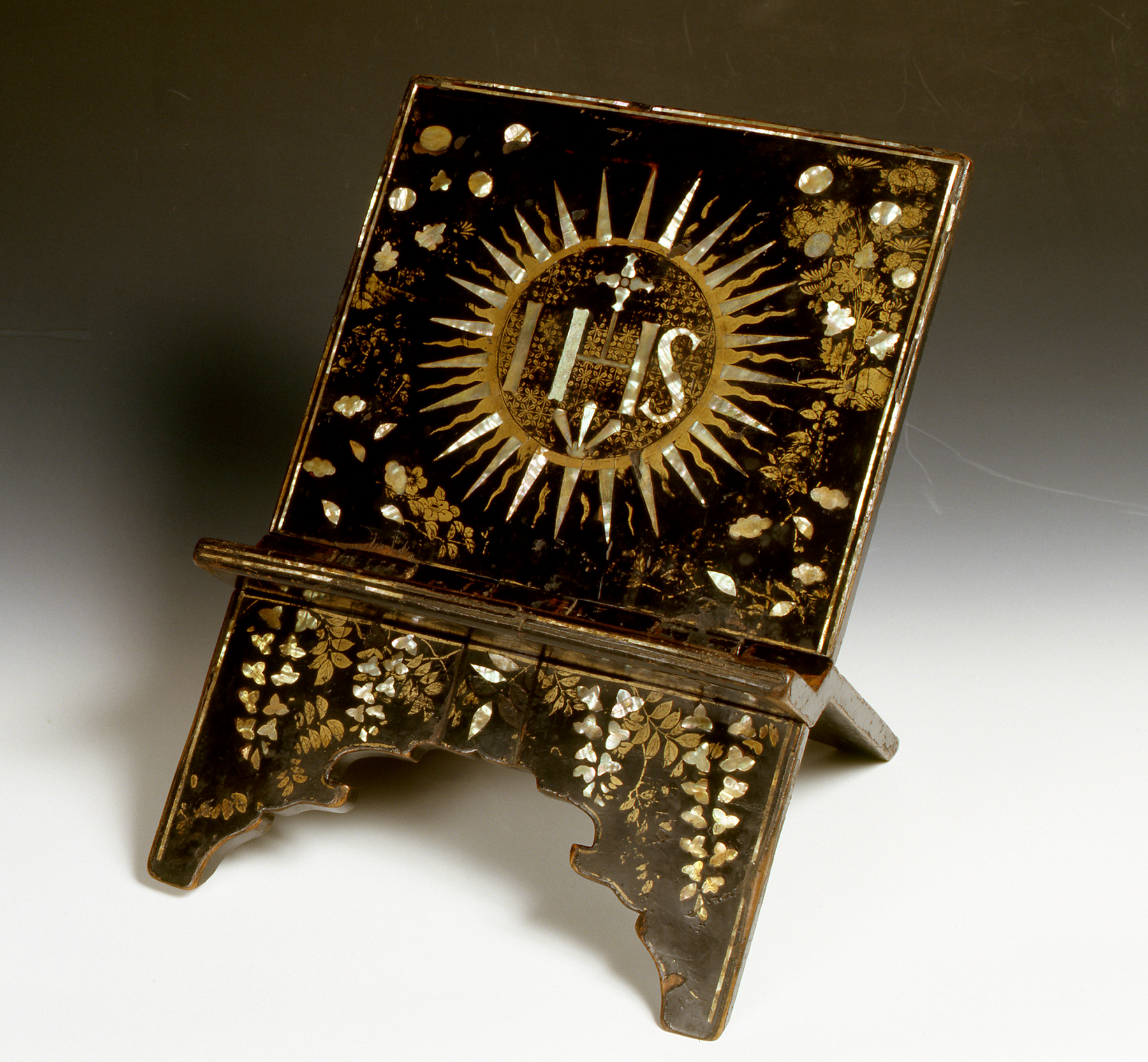
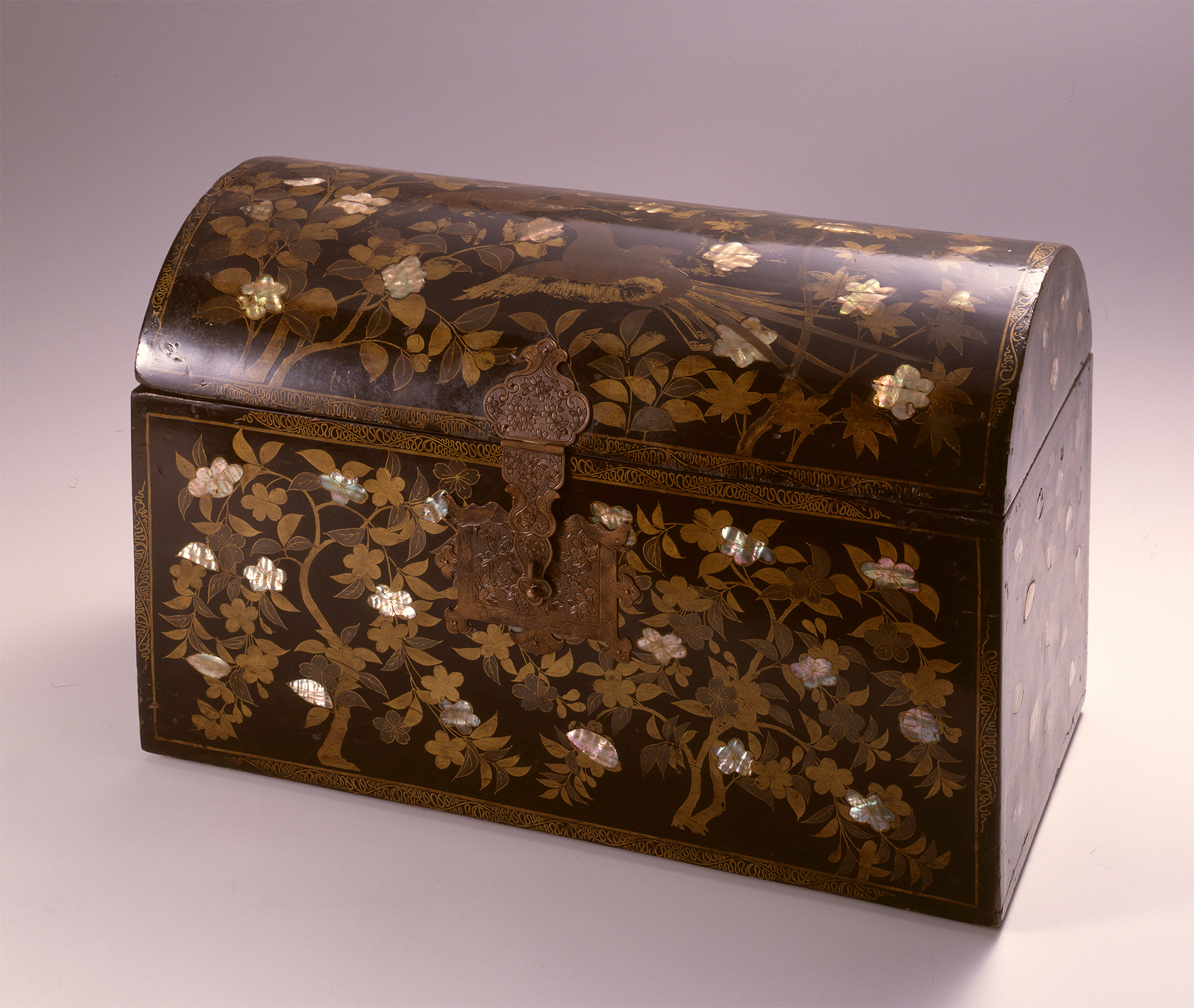
In the mid-16th century, when the Portuguese drifted ashore on Tanegashima Island, direct interactions between Japan and Europe (Namban) began. The Christian missionaries commissioned lacquered religious items, which became popular in Europe. By the latter half of the Azuchi-Momoyama period, household items intended for Europe were produced, and a large number of these products were exported overseas. These lacquerwares, known as Namban lacquerware, newly incorporated Korean raden (mother-of-pearl inlay) techniques, resulting in unique designs and methods that differed from traditional styles. Namban lacquerware was produced during a limited period of about fifty years, from the Azuchi-Momoyama period to the early Edo period, but it became a symbol of East-West cultural exchange for both Japan and Europe. Please enjoy the richly international world of Namban lacquerware, which colored a brief period in Japanese history.
Overview
| Event period |
June 8 (Sat) – July 15 (Mon & Holiday), 2024 |
|---|---|
| Closed |
June 10 (Mon), 17 (Mon), 24 (Mon), July 1 (Mon), 8 (Mon) |
| Hours of operation |
9:00 am–5:00 pm (Entry until 4:30 pm) |
| Venue |
Special exhibition room on the 1st floor of Gifu City Museum of History |
| Admission fee |
310 yen (250 yen) for high school and up; 150 yen (90 yen) for elementary/junior high school students Discounted prices in parentheses are for groups of 20 or more. Free admission for those below (proof required for ① or ②. MIRAIRO ID accepted.) Gifu-City residents of age 70 or older Holders of physical disability certificate, mental disability certificate, rehabilitation certificate, or medical care recipient certificate for intractable diseases and one attendant Elementary / Junior high school students in Gifu City Junior high school students and younger visitors, and accompanying family members (of high school students and older) on June 16 (Sun) |
Main Exhibits
- Portable Christian Altar with Flowers and Birds in Makie and Mother-of-Pearl Inlay
-
Momoyama Period
Owned by Gifu City Museum of History
- Reading Stand Interlocking Circles with “IHS” Mark in Makie and Mother-of-Pearl Inlay
-
Momoyama Period
Owned by Gifu City Museum of History
- European-style Chest with Flowers and Birds in Makie and Mother-of-Pearl Inlay
-
Momoyama Period
Owned by Gifu City Museum of History

PDF 파일 열람용 소프트웨어가 있어야 PDF 파일을 보실 수 있습니다.
Adobe Reader (무료) 등이 없으시다면 왼쪽 버튼을 클릭하여 순서에 따라 설치용 파일을 내려받아 소프트웨어를 설치한 후에 보시기 바랍니다.
※새 창이 열립니다.